
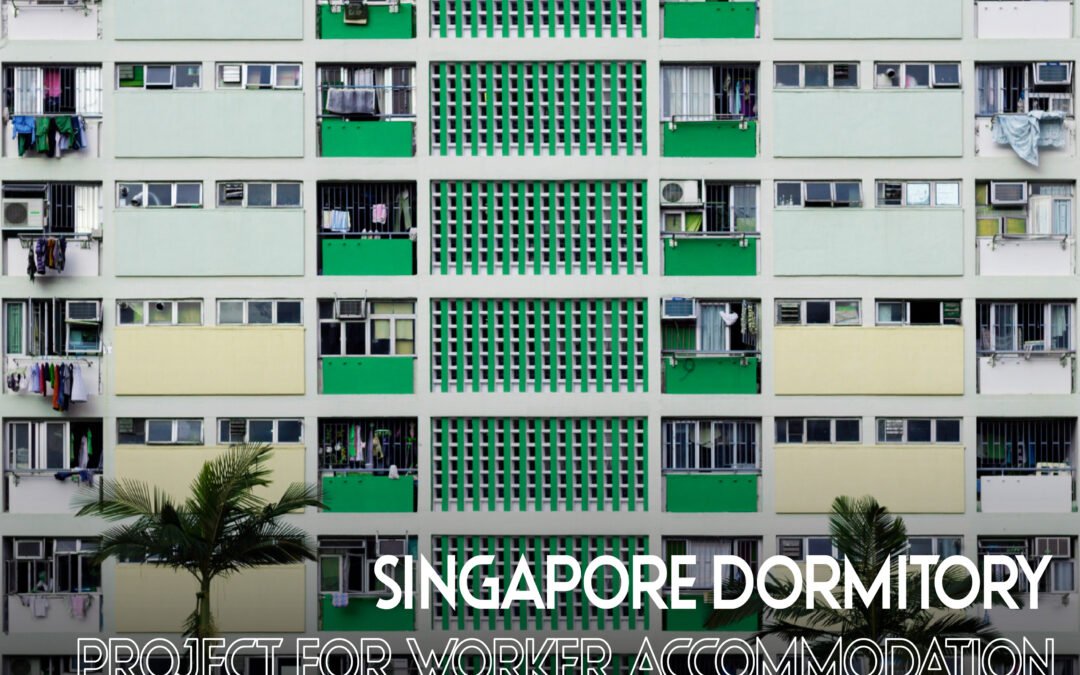
The development of the Singapore Dormitory Project is considered one of Singapore’s key strategies for effectively managing foreign labor, particularly in industries that rely heavily on a large workforce. The Worker Dormitory system has been specifically designed to accommodate these workers, focusing on safety, hygiene, and quality of life.
In addition, the development of projects such as Avery Dormitory reflects the trend of modern worker housing, which goes beyond basic accommodation to creating an environment that supports both quality living and working conditions.
The Role of the Singapore Dormitory Project in Singapore’s Economy and Workforce
The Singapore Dormitory Project serves as critical infrastructure supporting the country’s economic system, especially in construction, industrial, and service sectors that depend heavily on foreign labor. Having standardized Worker Dormitories allows workers to live safely with improved quality of life, directly enhancing productivity and labor market stability.
According to the Ministry of Manpower Singapore, “Worker dormitories in Singapore must comply with hygiene, safety, and space standards to protect foreign workers,” highlighting that the Singapore Dormitory Project is not merely housing, but also a mechanism for regulating and upgrading workforce quality.
Moreover, the Dormitory Singapore system helps reduce urban overcrowding and improves the allocation of resources such as transportation and utilities, enabling Singapore to manage a large workforce efficiently and sustainably.
Types of Dormitory Singapore and Common Worker Dormitory Models
Within the Dormitory Singapore system, worker housing is categorized into several types based on purpose and standards, allowing different workforce needs to be met effectively. The main types of Worker Dormitories include:
- Purpose-Built Dormitory (PBD): specially designed accommodations that support large numbers of workers with complete facilities
- Factory-Converted Dormitory (FCD): converted factory buildings used as worker housing
- Temporary Housing / Construction Temporary Quarters (CTQ): temporary accommodations for workers on construction sites
The development of Purpose-Built Dormitories enhances urban space efficiency and supports long-term workforce accommodation, which is why the Singapore government prioritizes this model in the Singapore Dormitory Project.
The choice of Worker Dormitory type depends on factors such as workforce size, budget, and duration of use, all of which are essential in project planning.
How Worker Dormitories Improve Productivity
The quality of Worker Dormitories directly impacts worker productivity, particularly in terms of physical and mental health. Clean, safe, and well-equipped living environments help reduce stress and significantly enhance work performance.
Good living conditions can increase workforce productivity by more than 10–20%, aligning with the strict standards set by the Ministry of Manpower Singapore for Dormitory Singapore.
Key Factors Affecting Productivity
- Cleanliness and hygiene
- Resident density
- Access to basic services such as food and healthcare
Therefore, the Singapore Dormitory Project is not just housing—it is a national-level productivity enhancement tool.
Planning and Development Process of the Singapore Dormitory Project
Developing a Singapore Dormitory Project is a complex process requiring coordination across multiple sectors. The main stages include:
Key Project Stages
- Planning & Feasibility Study
- Regulatory Approval
- Design & Construction
- Operation & Management
Worker dormitories must meet structural, safety, and environmental standards before operation, ensuring high-quality housing that is internationally recognized.
Avery Dormitory and Modern Worker Housing Standards
Avery Dormitory is an example of a Worker Dormitory designed under the concept of “Modern Living for Workers,” emphasizing both comfort and safety in line with Singapore Dormitory Project standards.
Key Features of Avery Dormitory
- 24-hour security system
- Comprehensive recreational and living facilities
- Systematic hygiene management
This approach aligns with Ministry of Manpower Singapore data indicating that high-quality worker housing improves quality of life and reduces social issues. Avery Dormitory therefore serves as an important benchmark for future Dormitory Singapore developments.
How to Choose the Right Dormitory Singapore for Workers and Organizations
Selecting the right Dormitory Singapore is a critical factor that affects both cost and organizational efficiency.
Key Factors to Consider
- Location: proximity to the workplace
- Compliance: adherence to Singapore regulations
- Facilities: availability of essential amenities
- Cost Efficiency: long-term value
Dormitory selection should consider both infrastructure and service accessibility to meet workforce needs. Organizations that choose the right Worker Dormitory can significantly reduce turnover and increase productivity.
Future Trends of the Singapore Dormitory Project and Sustainable Development
The future of the Singapore Dormitory Project is moving toward Smart Dormitories and Sustainable Living, incorporating technologies such as IoT, AI, and clean energy systems.
Future developments will focus on Green Buildings and Smart Infrastructure as key directions for Dormitory Singapore.
Key Trends
- Smart Facility Management
- Green Energy Integration
- Human-Centric Design
These developments will improve the quality of life for workers and support both economic and social sustainability.
Conclusion
In summary, the Singapore Dormitory Project is a vital component in driving Singapore’s economy through systematic and standardized workforce housing management. High-quality Worker Dormitories not only improve workers’ quality of life but also enhance productivity and business stability.
At the same time, selecting the right Dormitory Singapore and applying best practices from benchmark projects such as Avery Dormitory will be key to gaining competitive advantages in workforce management and long-term organizational development.