
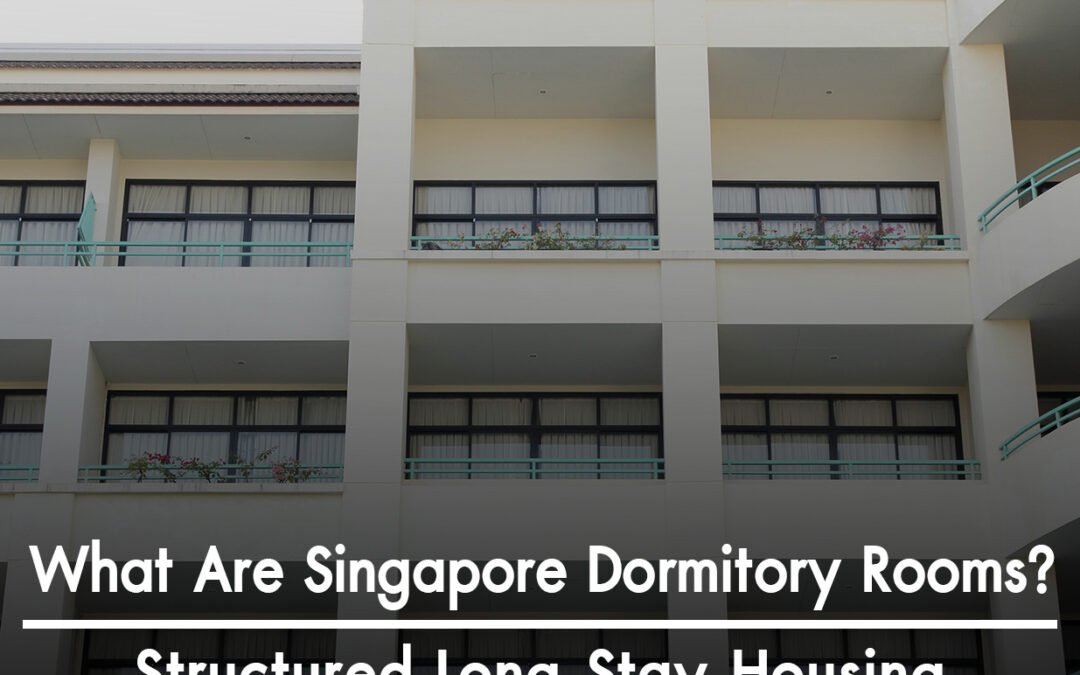
In a city globally recognized for efficiency, regulation, and systematic urban planning, residential models are designed to function as part of an integrated system rather than as isolated living spaces. Singapore dormitory rooms have therefore emerged as a structured long-term accommodation solution, purpose-built to support consistency, safety, and professional management within Singapore’s high-density urban environment.
This article explains what Singapore dormitory rooms represent today, how they are managed, how they differ from apartments, and how to choose professionally managed dormitory rooms that align with Singapore’s housing and operational standards.
Why Singapore Dormitory Rooms Are Important
Singapore dormitory rooms refer to long-term accommodation operated under a centralized management system. Unlike conventional apartment rentals managed on an individual tenancy basis, dormitory rooms emphasize standardized operations, shared common facilities, and consistent living standards across the entire property.
Urban housing research consistently indicates that “Structured residential models help maintain consistent living standards and reduce long-term management risks in high-density cities.”
For this reason, Dormitory Singapore are classified as institutional accommodation—housing designed to operate reliably at scale while maintaining order, safety, and predictability.
The Role of Singapore Dormitory Rooms in Singapore’s Urban Context
With limited land availability and a strict regulatory framework, Singapore requires housing solutions that prioritize efficiency, regulatory compliance, and sustainability. Singapore dormitory rooms meet these requirements by focusing on operational clarity, safety standards, and long-term livability rather than individual, case-by-case management.
Within Singapore’s urban system, dormitory rooms function as part of a broader city-planning strategy that supports workforce stability and structured residential management in a high-density environment.
Management Systems Behind Modern Singapore Dormitory Rooms
A defining feature of Dormitory Singapore is centralized management. This structure covers building maintenance, common areas, hygiene control, and resident care across the entire property.
Facilities management studies note that “Centralized management increases consistency, safety, and operational efficiency in large-scale residential facilities.”
In practice, professionally managed Singapore dormitory rooms apply standardized procedures, routine inspections, and preventive maintenance plans to ensure stable living conditions over the long term.
Safety and Hygiene Standards
Safety and hygiene are central to the daily operation of Dormitory Singapore. These standards are embedded through scheduled cleaning routines, controlled access systems, and clearly defined safety protocols. This structured approach reduces operational risks and builds confidence in long-term residential environments.
Facilities and Living Standards in Singapore Dormitory Rooms
Rather than emphasizing luxury, Singapore dormitory room prioritize practicality and long-term efficiency. Facilities are designed to support consistent daily living while remaining easy to manage.
Research on long-stay accommodation standards states that “Access to clean, well-maintained common areas is a key indicator of long-term housing quality.”
Typically, Singapore dormitory room focus on:
- Regularly maintained common areas
- Clearly defined hygiene and safety systems
These features create predictability and residential stability, which are essential for long-term stays.
Singapore Dormitory Room vs Apartments: Key Differences
Housing typology research clearly distinguishes dormitory rooms from apartments: “Dormitory accommodation prioritizes operational consistency, while apartments emphasize individual tenancy flexibility.”
| Comparison Factor | Singapore Dormitory Room | Apartments |
| Management | Centralized | Individual |
| Living Standards | Consistent | Variable |
| Suitable Use | Structured long-term accommodation | Flexible residential living |
Based on this comparison, Singapore dormitory room are best suited for residents who value order, predictability, and professional oversight.
How to Choose the Right Singapore Dormitory Rooms
Selecting suitable Dormitory Singapore involves more than reviewing room layouts. Key considerations include management systems, operational transparency, safety standards, and provider credibility.
Accommodation planning research indicates that “Professionally managed dormitories significantly reduce long-term residential risk.” Choosing well-managed dormitory rooms therefore helps ensure stability, safety, and reliability over time.
Avery Dormitories: A Trusted Singapore Dormitory Rooms Provider
Among professionally managed Singapore dormitory room providers, Avery Dormitories is recognized for its systematic management approach aligned with Singapore’s regulatory and operational standards.
Avery Dormitories focuses on delivering orderly, well-managed dormitory rooms with consistent operational practices, supporting stable long-term living within Singapore’s urban framework.
Conclusion
Singapore dormitory rooms represent a structured, professionally managed long-term accommodation model in Singapore. Through centralized management systems, standardized facilities, and clearly defined operational processes, dormitory rooms provide a reliable alternative to conventional apartment rentals in a highly regulated city environment.
For individuals or organizations seeking long-term accommodation that aligns with Singapore’s standards of quality, safety, and order, professionally managed providers such as Avery Dormitories demonstrate how modern Dormitory Singapore are designed for sustainable, long-term operation.